

The Great Migration Calving Season - A Wildlife Photographers Guide
Updated: Jun 22
The Great Migration Calving Season - A Wildlife Photographers Guide
For wildlife photographers, few places in Africa offer the intensity, beauty, and creative opportunity of Ndutu during the Great Migration calving season. While many people associate the migration with dramatic river crossings in the northern Serengeti, the southern plains tell a different story, and for photographers, arguably a more layered one. This is where life begins. Vast numbers of wildebeest gather on the short grass plains to give birth, predators move with purpose through the landscape, and every day carries the possibility of tenderness, chaos, and raw survival.
For most photographers, February is the finest month to visit Ndutu. This is when the calving season is usually at its peak, with thousands of wildebeest spread across the plains and newborn calves appearing in extraordinary numbers. The landscape is often alive from first light until last light. Cheetahs patrol open grassland, lions rest close to the herds, hyenas work the edges, and jackals become regular subjects for anyone watching carefully. It is one of the most rewarding times in East Africa for photographers who want wildlife action, intimate moments, strong storytelling opportunities, and a genuine sense of scale.
Ndutu is not only exciting because of predator action. It is also one of the best places in Tanzania to create a broad photographic portfolio in a relatively short period of time. In one morning you may capture wide migration scenes, clean mammal portraits, behavioural interaction between mother and calf, dust-filled predator movement, and dramatic weather over open plains. For the wildlife photographer who has never visited the Southern Serengeti ecosystem before, Ndutu offers a valuable balance of accessibility, variety, and intensity.
This guide is designed for photographers who want more than a surface-level overview. It is written for those planning their first serious photographic journey to Ndutu and who want to understand not only what happens there, but how to photograph it well.

What Ndutu Is Known for Photographically
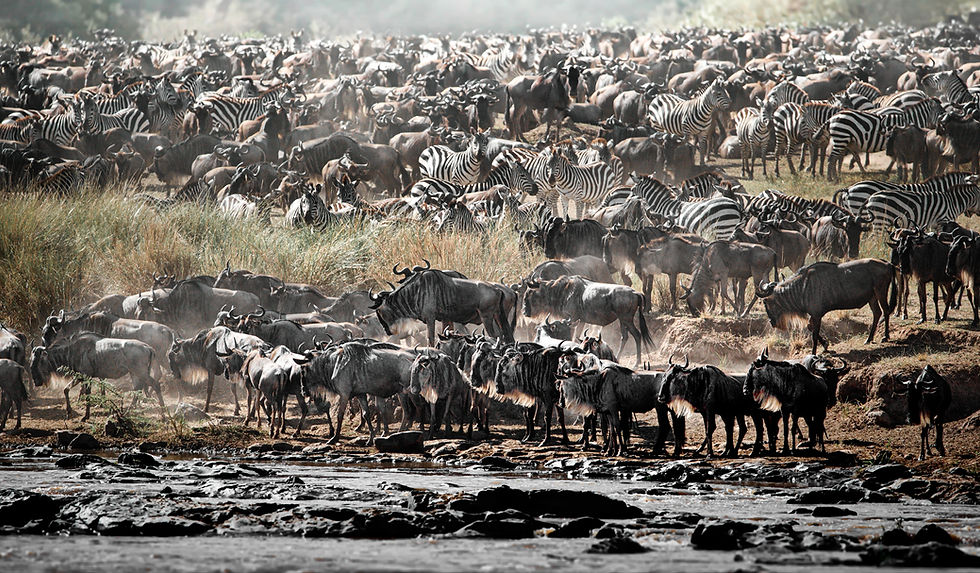
Ndutu is known first and foremost for the Great Migration calving season, but from a photographic perspective its appeal runs far deeper than sheer numbers of animals. The region offers one of the best combinations of behaviour, visibility, light, and habitat in East Africa. During calving season, the short grass plains become a stage for constant movement. Wildebeest herds stretch across the horizon, zebra and gazelle mix through the same areas, and predators remain close because food is abundant and vulnerable young are everywhere.
For photographers, this creates an environment where behaviour is often easier to anticipate than in denser habitats. The open nature of the landscape means you can read the scene more clearly. You can watch a cheetah lift its head and scan ahead. You can see a lioness focus on a distant section of herd. You can track the way dust rises behind moving animals and position yourself for backlit frames. That visibility is one of Ndutu’s greatest strengths.
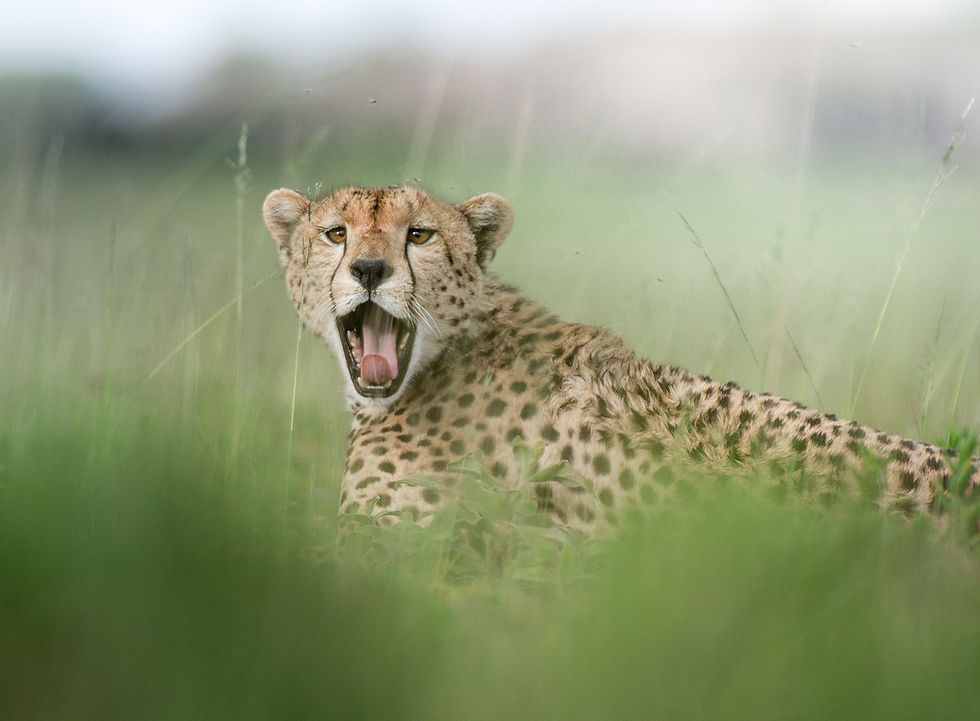
The area is also known for predator photography. Cheetahs are one of the major highlights, especially in the open terrain where they can often be photographed in a way that feels clean and uncluttered. Lions are common and can be found both around the plains and in more structured habitats with tree cover. Hyenas are extremely active during calving season and make excellent photographic subjects in their own right, especially when working around carcasses or moving through early morning mist and dust. Black-backed jackals are another classic Ndutu subject and often become part of the broader narrative around new life and constant predation.
Another major photographic strength of Ndutu is emotional contrast. There are very few places where a wildlife photographer can so easily move between beauty and brutality. One moment may involve a newborn calf trying to stand for the first time in soft morning light. The next may involve a predator using the same open ground as a hunting arena. This contrast is what makes Ndutu such a powerful storytelling destination. It is not simply about action. It is about the full cycle of life on the plains.
From a compositional point of view, Ndutu is excellent for both wide and tight work. The sweeping plains allow you to place animals in context and show the scale of the migration. At the same time, approachable subjects and good vehicle positioning can produce close portraits, behaviour detail, and compressed predator scenes. Dust, storms, open skies, isolated acacia trees, and low vegetation all contribute to a setting that feels visually African in a classic and immediately recognisable way.
For many photographers, Ndutu becomes addictive because it is never just one thing. It is a location for action, for atmosphere, for intimacy, and for landscape-driven wildlife work all at once.
Where Ndutu Is and Why It Matters
Ndutu sits within the southern Serengeti ecosystem, close to the boundary between Serengeti National Park and the Ngorongoro Conservation Area in northern Tanzania. In practical terms, photographers usually refer to the broader region simply as Ndutu, but it is important to understand that the photographic area includes a mixture of open plains, woodland, lake edges, and gently rolling ground that all influence how and where you shoot.
This matters because Ndutu does not photograph like the central Serengeti. The southern short grass plains produce a different visual language. The openness encourages wider compositions, lower horizons, stronger emphasis on weather and sky, and greater use of negative space. It is also one of the best regions for seeing the migration in its calving phase, which means your portfolio will naturally lean toward maternal behaviour, herds on the move, predator pressure, and storytelling images that speak to birth and survival.
The habitat variety also gives photographers flexibility. Some days may be dominated by plains photography with long sight lines and soft backgrounds. Other days may shift into woodland lion scenes, lake-edge subjects, or more intimate portrait work with zebra, gazelle, or predators in patchier light. For anyone visiting for the first time, this diversity is part of what makes Ndutu so productive.
Best Time of Year to Visit Ndutu
If your goal is to photograph the Great Migration in the Southern Serengeti, the most rewarding period is generally from late January through March, with February usually standing out as the prime month for calving season.
February is especially important because the concentration of wildebeest on the southern plains is often at its highest, and the number of newborn calves can be extraordinary. This brings a very particular energy to the ecosystem. Predator activity often increases because vulnerable calves are abundant, and photographers benefit from a remarkable mix of subjects and behaviour. It is a month where action can happen at any time of day, though the most photogenic moments still tend to cluster around the softer light of early morning and late afternoon.
That said, timing within the season can still shape the kind of imagery you produce. Late January can be excellent when herds are settling into the area and the first major waves of calving are underway. February often offers the strongest overall combination of density, births, and predator activity. March can still be productive, particularly if you are interested in lingering herd movement, dramatic skies, and a slightly shifting feel to the landscape as the migration begins to think about moving on.
For photographers, the key is not simply “when are the animals there?” but “when does the subject matter align with the type of portfolio I want to create?” If you want newborns, maternal behaviour, vulnerable moments, and the tension that comes with constant predation, February is hard to beat.
Getting to Ndutu
Getting to Ndutu is relatively straightforward, but because it sits in a more remote part of northern Tanzania, it requires some planning. Most international visitors arrive into Kilimanjaro International Airport, usually via connections through major hubs. From there, photographers often overnight in Arusha before continuing into the bush.
The most efficient way to reach Ndutu is typically by light aircraft. Flying saves considerable time and allows you to begin photographing sooner rather than spending a long day on the road. Bush flights into the region are one of the reasons a well-planned safari feels smoother and more focused, especially for photographers travelling with expensive gear who would rather conserve energy for early starts and long game drives.

Road access is possible, particularly as part of a broader northern Tanzania itinerary, but it is far more time-consuming. For photographers whose main goal is to maximise time in the field during the best light, flying is usually the better option. It also reduces fatigue, which matters more than many people expect. The calving season can be intense, and the ability to arrive rested, settle quickly, and begin shooting with a clear head is valuable.
Once in camp, your real mobility comes down to your photo host, vehicle positioning, and how well your safari is structured around light and behaviour rather than general sightseeing. That is where a photography-focused trip makes a major difference.
Esirai Camp - Our Luxury Camp
For a serious wildlife photographer, where you stay in Ndutu is not just about comfort. It affects your field time, your access to the plains, your ability to respond quickly to activity, and your overall experience of the migration. A camp that is well placed, efficient, and comfortable enough to support long days in the bush can make a real difference to the quality of your trip.
Esirai Camp, organised through Untamed Photo Safaris stands out as one of the best options for photographers in Ndutu. Seasonal camps like this place you close to the action, which is exactly what you want during calving season. In a destination where early light matters and wildlife activity can begin almost immediately after sunrise, being positioned well within reach of the best areas is a genuine advantage.

From a photographer’s perspective, a good camp needs to offer more than a bed. It needs to support the rhythm of the safari. Early departures should be easy. Meals should work around game drive schedules. Staff should understand that photographers often leave before dawn light begins to build and may return late after maximising the final glow of the day. A good camp also gives you the atmosphere of being immersed in the migration itself, rather than feeling detached from it.
Esirai Camp complements the experience of Ndutu beautifully because it places you in a wild setting that feels connected to the ecosystem around you. After a day of photographing wildebeest herds, predator tension, and vast plains, returning to camp should still feel like part of the journey, not a break from it. For many photographers, that continuity matters.

Ndutu - Great Migration Calving Season - Luxury Tented Camp 
Ndutu - Great Migration Calving Season - Luxury Tented Camp
Photography in Ndutu
Ndutu during calving season is one of the richest wildlife photography environments in Africa because it offers both scale and intimacy. You can photograph the migration as a vast living landscape, but you can also isolate emotion and detail within it.
Great Migration Scenes
One of the most important things photographers should do in Ndutu is resist the temptation to shoot everything tight. The migration here is not just about individual animals. It is about volume, repetition, movement, and atmosphere. Wide images can be incredibly powerful if composed carefully. Use the open plains to show lines of wildebeest fading into distance, zebra breaking the rhythm, or storms building over massed herds. These frames give context and help tell the story of place.
A wide migration frame works best when you think beyond simply including many animals. Look for structure. Seek diagonals in the movement of the herd. Use light direction to create separation. Work with cloud patterns and open sky. The strongest wide images from Ndutu often feel balanced rather than crowded.

Calving Season Behaviour
The calving season is where Ndutu becomes emotionally powerful. Newborn calves are often on their feet very quickly, and those first minutes or hours of life can produce extraordinary photographic moments. You may witness a calf attempting to stand, a mother nuzzling it into motion, or a small family unit trying to re-join the wider herd. These moments are often quieter than predator scenes, but they can be just as compelling.
Patience is important here. Behavioural photography is strongest when you give the scene time. Rather than shooting continuously from the moment you arrive, watch first. Notice where the mother positions herself, whether the calf is still wet, whether the pair are relaxed or unsettled, and what the background is doing. A small change in angle can transform an ordinary frame into one that feels clean and intimate.

Predator Action and Kills
Ndutu is one of the finest places in East Africa to photograph predator-prey interaction, particularly during calving season. Cheetahs are a major draw because the open landscape allows clean running lines and clearer views than in many other habitats. Lions and hyenas also benefit from the abundance of prey, and the general feeling across the ecosystem is one of constant tension.
For photographers, the challenge is to remain disciplined. Action is exciting, but action alone does not create a strong image. Anticipation matters. Background matters. Light matters. If you see a predator becoming alert, think immediately about angle, sun position, shutter speed, and whether a clean line exists in the direction of expected movement. Try not to chase chaos. Let the moment develop and be ready.
Kills, while difficult to witness, can produce some of the most powerful storytelling images in Ndutu. These scenes are not only about drama. They are about emotion, hierarchy, feeding behaviour, scavenger interaction, and the often harsh realities of calving season. When photographing a kill, it is important to shoot a range. Start wide to establish the scene. Then move tighter for expressions, tension between individuals, blood-marked details, or scavengers waiting at the edge. This variety is what makes a portfolio stronger.

Close-Ups and Portraits
Despite Ndutu’s reputation for action, it is also an excellent destination for close wildlife portraiture. Because many animals are relatively accustomed to vehicles, and because visibility is often good, photographers can produce very clean portraits of cheetahs, lions, zebra, wildebeest, jackals, and more. The key is to be selective with background and patient with expression.
Portrait work in Ndutu benefits greatly from soft early light. In harsher conditions, you may need to expose more carefully to retain detail in pale grass while protecting highlights on animals such as zebra. On cloudy days, however, you can produce beautifully even portraits with subtle tonal transitions. Dust can also become a creative ally, particularly when backlit, adding atmosphere without overwhelming the subject.
The Importance of Light
Ndutu is a light-driven destination. The same subject can look entirely different depending on the hour, the weather, and the direction of movement. Early morning is ideal for soft contrast, low-angle warmth, and the possibility of mist or cool-toned atmosphere. Late afternoon can be superb for shape, texture, and backlit dust. Midday is more difficult, but not useless. Harsh light can still work for dramatic cheetah portraits, graphic zebra compositions, and documentary scenes with clean behavioural value. The best wildlife photographers in Ndutu are not just reacting to animals. They are constantly reacting to light.

Camera Technique in Ndutu
For first-time visitors, it is worth understanding that success in Ndutu is not just about seeing the right subject. It is about handling fast-changing field situations well.
Shutter speed matters enormously. During calving season, behaviour can change in seconds. A peaceful grazing scene can become a chase. A quiet newborn can suddenly start running. A cheetah can rise from stillness into acceleration. For that reason, photographers should be comfortable moving quickly between slower portrait settings and faster action-ready settings.
Autofocus performance is also critical. Eye detection can be useful on larger subjects and in cleaner compositions, but it is not always flawless in grass, dust, or confusion. Be ready to override automation when necessary. The photographers who come home happiest are usually those who understand their camera deeply enough to adapt quickly rather than fight their settings in the moment.
Vehicle positioning is another major factor. In open habitat, even a small shift can clean the horizon, improve the background, or align you better with the light. This is one of the reasons photography-focused safaris are so valuable. A general safari may stop when the animal is seen. A photography safari thinks harder about where the light is falling, how the background reads, and whether the subject is likely to move.
Patience and restraint are equally important. Ndutu offers so much that it can make photographers frantic. But frantic photography often leads to repetitive or cluttered frames. Slow down. Watch. Build the image.
Camera Kit for Ndutu
Choosing the right camera kit for Ndutu is less about chasing every possible focal length and more about building a flexible system that suits the pace of the migration. The region offers everything from expansive herd scenes to tight predator portraits, so your approach should allow for both reach and versatility. Dust can be a factor, action can happen fast, and many opportunities unfold in just a few seconds, so reliability and ease of use matter just as much as outright image quality.
Canon
Canon photographers heading to Ndutu should think in terms of speed, flexibility, and confidence in autofocus. This is a destination where your camera may need to handle a calm portrait one moment and a fast-moving chase the next, all without hesitation. A Canon kit for Ndutu should feel responsive in the hand and versatile enough to move between wider migration scenes, intimate mother-and-calf behaviour, and telephoto predator work. Weather awareness is also important, especially in dry and dusty conditions, so a robust field-ready setup is ideal.
Recommended Lenses
RF 500mm f/4L IS USM
Best for distant wildlife, tight portraits, and serious safari work.
RF 100-500mm f/4.5-7.1L IS USM
A highly versatile safari zoom for general game drives and fast-changing sightings.
RF 70-200mm f/2.8L IS USM
Excellent for low light, larger animals nearby, and more intimate compositions.
RF 15-35mm f/2.8L IS USM
Ideal for landscapes, environmental scenes, and wildlife close to the vehicle.
Nikon
For Nikon users, Ndutu is a place where the strengths of sharp optics, dependable tracking, and excellent tonal rendering can really shine. The calving season often presents subtle moments as well as explosive ones, and your Nikon setup should be ready for both. Think about covering wide environmental opportunities alongside distant subjects on the plains and close behavioural work around the herds. A well-balanced Nikon kit should let you respond quickly without constantly changing your approach in the field.
Recommended Lenses
Z 500mm f/4 TC VR S
A top-tier Serengeti lens with exceptional reach, plus the bonus of a built-in teleconverter.
Z 100-400mm f/4.5-5.6 VR S
Great all-round lens for safari, especially when subjects change distance quickly.
Z 70-200mm f/2.8 VR S
Perfect for low-light conditions, animal behaviour, and cleaner subject isolation.
Z 14-24mm f/2.8 S
Best for dramatic landscapes, storm light, camp scenes, and wider wildlife storytelling.
Sony
Sony photographers will find Ndutu an exciting place to work, particularly because of how quickly the system can adapt between portraiture, action, and atmospheric field conditions. This is a destination that rewards strong autofocus performance and fast handling, but it also demands thoughtfulness in lens choice so that you can cover open landscapes, subject isolation, and predator movement without feeling limited. A Sony kit for Ndutu should be streamlined, capable, and ready to perform through long days in changing light.
Recommended Lenses
FE 600mm f/4 GM OSS
Sony’s standout super telephoto for serious wildlife photography in the Serengeti.
FE 200-600mm f/5.6-6.3 G OSS
One of the best safari zooms available for flexibility and strong reach.
FE 70-200mm f/2.8 GM II
Brilliant for low light, larger mammals, and polished, professional-looking images.
FE 16-35mm f/2.8 GM
Ideal for wide scenes, landscapes, and creative close-environment compositions.
Olympus / OM System
Olympus photographers will find Ndutu a rewarding place to work, especially because the system is so well suited to mobility, reach, and long days in the field. Ndutu often calls for quick reactions as subjects move between open plains, woodland edges, and dramatic weather, and this is where the lightweight nature of the Olympus system becomes a real advantage. A well-built Olympus kit for Ndutu should offer strong telephoto reach, flexibility for changing encounters, and enough width for landscapes and environmental scenes, all while remaining comfortable to carry and shoot with throughout the day.
Recommended Lenses
M.Zuiko Digital ED 150-400mm f/4.5 TC1.25x IS PRO
Olympus’s premier safari lens, offering exceptional reach and versatility for serious wildlife photography in Ndutu.
M.Zuiko Digital ED 100-400mm f/5-6.3 IS
A highly practical wildlife zoom that gives excellent range for general game drives and distant subjects.
M.Zuiko Digital ED 40-150mm f/2.8 PRO
Ideal for low light, larger mammals, tighter animal groups, and more refined compositions.
M.Zuiko Digital ED 7-14mm f/2.8 PRO
Perfect for landscapes, stormy skies, wider storytelling scenes, and wildlife in its environment.
Beyond the Migration
Although the migration and calving season are the main draw, Ndutu is not only about wildebeest. The area offers a broader photographic portfolio than many first-time visitors expect. Zebra are ever-present and can be photographed as both supporting characters in migration scenes and strong standalone subjects. Their patterns lend themselves well to graphic compositions, especially in softer light or when partially obscured by grass.
Cheetahs are among the finest subjects in the region, and because of the open habitat, they can often be photographed in beautifully uncluttered settings. Lions may be encountered in woodland or open country, which adds variety to your portfolio. Hyenas are excellent subjects during calving season, especially when photographed with intention rather than treated as secondary sightings. Jackals, gazelles, ostrich, and a wide range of birdlife also add depth to the experience.
For the photographer who thinks in terms of story rather than checklist, this matters. A compelling Ndutu portfolio should include atmosphere, detail, predator tension, maternal behaviour, environmental context, and quieter supporting species that help explain the ecosystem as a whole.

Photography Challenges in Ndutu
Like any great wildlife destination, Ndutu comes with challenges, and understanding them ahead of time will make you a better photographer on the ground.
The first is dust. Vehicles, moving herds, and dry conditions can all create airborne dust that affects both your images and your equipment. It can be beautiful when backlit, but it can also reduce clarity and make lens changes risky. Keeping your gear protected and minimising unnecessary swaps in the field is wise.
The second challenge is pace. So much can happen in a short period that photographers sometimes become reactive rather than intentional. This often leads to overshooting, poor composition, or missed storytelling opportunities. Calm observation is one of the most valuable skills you can bring to Ndutu.
The third challenge is light management. Midday light can be hard and contrasty, and because the terrain is open, there is often little relief. This does not mean the day is lost, but it does mean you must adapt your style. Use harder light for graphic scenes, behavioural documentation, or stronger contrast portraits rather than trying to force every subject into a golden-hour look.
Lastly, there is the emotional challenge of photographing birth and death in the same landscape. Ndutu can be deeply moving. For many photographers, that is exactly what makes it unforgettable.
Our Ndutu Photo Safari
At Untamed Photo Safaris, we see Ndutu as one of the most exciting wildlife photography destinations in East Africa, particularly during the Great Migration calving season. This is not a place we approach as a generic safari stop. It is a location that rewards thoughtful planning, proper field time, and a photographic mindset from start to finish.
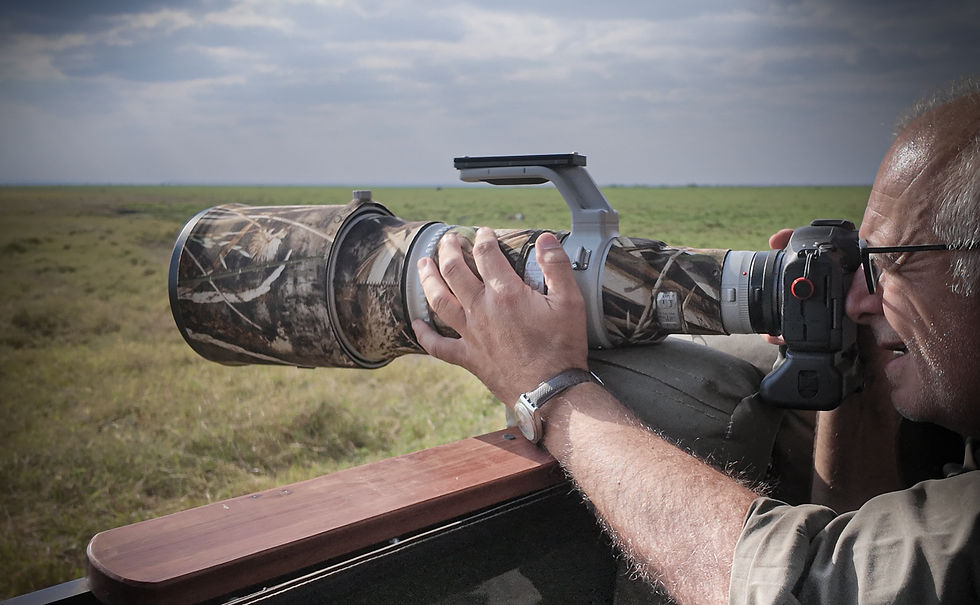
Our Ndutu photo safaris are designed for photographers who want to maximise opportunity in the field while travelling in comfort and with purpose. We focus on light, behaviour, composition, and positioning, helping guests move beyond simple sightings and toward stronger, more meaningful images. Whether the subject is a newborn wildebeest finding its feet, a cheetah scanning the plains, or an expansive migration scene under dramatic weather, our aim is always to put photographers in the best possible position to create their best work.
We also believe that small-group photographic travel matters. Space in the vehicle, freedom to work a scene properly, and time to stay with behaviour as it develops all make a major difference in a place like Ndutu. This is not a destination to rush through. It is one to study, anticipate, and photograph with care.
For photographers who have never been to the Southern Serengeti before, Ndutu can feel overwhelming in the best possible way. That is why travelling with a dedicated photography safari operator is so valuable. We help guests understand not just what they are seeing, but how to photograph it well.
Written By Photo Host - Jaren A Fernley
