

A Photographic Guide to Amboseli National Park: The Land of Giants
- Nov 29, 2025
- 8 min read
Updated: Jun 22
Amboseli National Park, One of Africa’s Most Photogenic Landscapes
Amboseli National Park is a landscape that blends iconic scenery with wildlife that moves predictably and confidently through open terrain. Set beneath Mount Kilimanjaro, the park has become one of the most photographed ecosystems in East Africa. The combination of volcanic plains, mirrored wetlands, and endless horizon lines creates a natural environment where photographers can work with clarity, space, and strong visual structure. As a photographic guide to Amboseli National Park, this landscape offers a rare balance of consistency, creative opportunity, and breath taking natural drama. Amboseli is a location where wildlife behaviour, scenic elements, and atmospheric conditions come together in a way that allows photographers to build cohesive and visually powerful portfolios. For Untamed Photo Safaris, it remains a core destination for guests who want dependable wildlife sightings, expert positioning, and conditions that support both creative exploration and technical development.
Light and Atmosphere That Shape Every Image
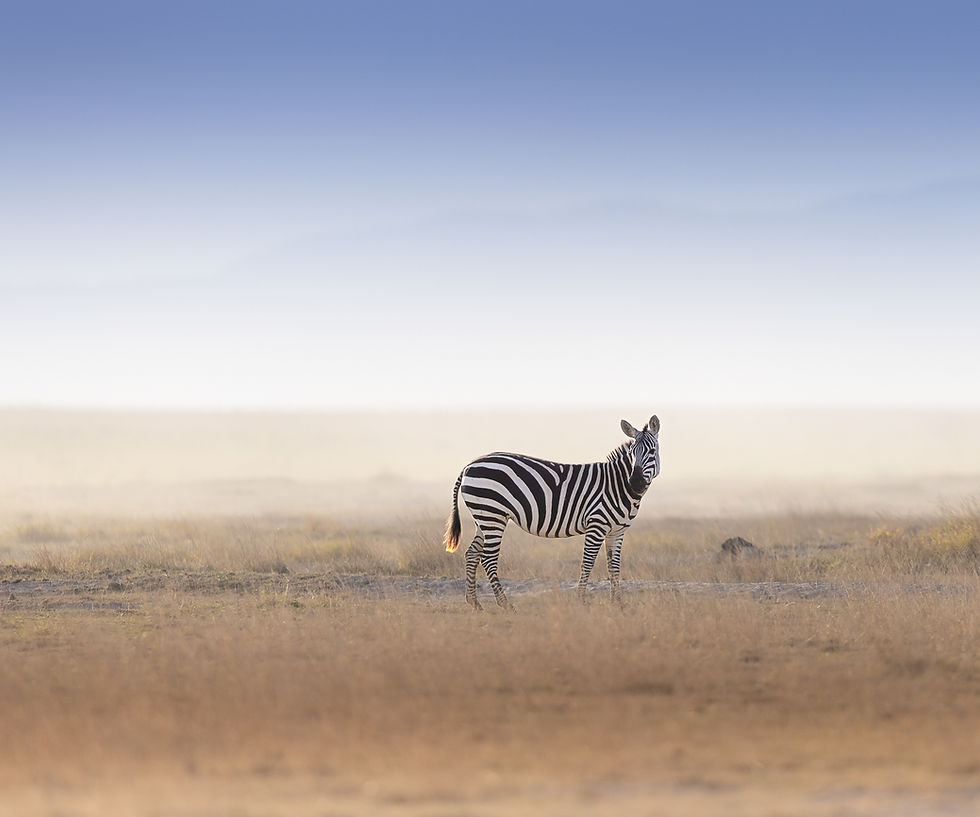
Light behaves differently in Amboseli compared to many other parks. The wide open plains give early mornings a soft radiance that spreads evenly across the landscape. In the first hours of the day, dust left behind by grazing animals creates a gentle haze that adds depth and dimension to portraits and environmental scenes. Late afternoons often bring pastel tones or storm shadows from Kilimanjaro's cloud formations, giving photographers dramatic colour shifts that pair beautifully with silhouettes and side light. These atmospheric conditions support a wide range of photographic styles from high contrast portraits to subtle low contrast landscapes. Amboseli’s light is predictable and consistent, helping photographers refine exposure, contrast control, and the creative use of backlighting.


Elephants, the Ambassadors of Amboseli
The elephants of Amboseli are world renowned, and their presence elevates the photographic experience in a way few other locations can match. These elephants are part of one of the most intensively studied populations in Africa, with many individuals monitored since birth through long term research projects. This history of protection has created a unique environment where elephants move with confidence and remain relaxed around vehicles, allowing photographers to witness natural behaviour at close range without causing disturbance. Amboseli supports large breeding herds that travel across the plains in steady rhythms, as well as several towering bulls whose size, age, and presence make them remarkable photographic subjects. Their movements across the landscape create scenes that feel both timeless and deeply connected to the identity of East Africa.
Because the elephants inhabit such open country, photographers can compose portraits, behavioural sequences, and wide environmental scenes with remarkable clarity. Families trekking across the dry lakebed appear as fluid, sculptural forms, framed by the smooth grey surface beneath them. Elephants feeding in the wetlands provide vibrant contrasts of green vegetation, soft water reflections, and the gentle interactions of calves learning to navigate their surroundings. Social behaviour unfolds naturally and predictably, from trunk touches and greetings to protective formations around young calves and relaxed feeding lines that stretch across the marshes. These moments provide authentic storytelling opportunities that help photographers build narratives grounded in behaviour and connection.
Their calm and deliberate movement gives photographers the rare gift of time. There is space to adjust angles, anticipate interactions, refine exposure, and decide whether a moment is best captured as a tight portrait or an expansive landscape composition. This sense of flow supports both creative experimentation and technical precision. While elephants are one of Amboseli’s defining features, they fit seamlessly into a wider photographic tapestry that includes predators, birds, wetlands, and the towering backdrop of Mount Kilimanjaro. Together, these elements form the character of Amboseli, an ecosystem where elephants are not only ambassadors of the landscape but also central figures within one of Africa’s most inspiring photographic environments.
Lions, Cheetahs, and the Predators of the Plains
Amboseli’s predators thrive in a landscape that suits visibility and behaviour based photography. Lions often rest beside marshes or on raised areas, providing clean backgrounds and consistent light. Their interactions are easily observed, making it possible to capture portraits, play behaviour, and territorial displays without obstruction. Cheetahs also benefit from the open environment. Many hunting sequences begin on termite mounds or low rises, which allows photographers to build images with strong foreground and background separation. The ash toned soil and sparse vegetation highlight the patterns and form of these cats. Amboseli’s predator photography is driven by the balance between open space, prey movement, and the subtle influence of seasonal shifts that shape where animals move and hunt.


Birds, Wetlands, and the Rhythm of Water
The wetlands of Amboseli are among its most productive and visually rewarding photographic zones. These marshes attract egrets, pelicans, spoonbills, herons, storks, raptors, and seasonal migratory species. Shallow water creates natural reflections ideal for symmetrical compositions. Hippos add dramatic behaviour as they surface, interact, or display territorial postures. The presence of water brings life into the middle of the day, turning hours that are unproductive in many parks into valuable photography sessions. The contrast between dry plains and lush wetlands gives photographers a wide range of colour palettes, from soft dusty greys to intense green tones. This variety supports both documentary style wildlife photography and artistic fine art work.
Composition on the Open Plains
Amboseli’s open spaces create an environment where composition becomes a deliberate and enjoyable process. Photographers can work with clean horizon lines, strong silhouettes, and negative space without visual obstruction. The dry lakebed provides opportunities for minimalist scenes where single subjects appear against smooth, pale surfaces that function like a natural studio. The cracked textures and subtle tonal gradients of the plains encourage experimentation with leading lines and balanced framing. Many photographers discover that Amboseli is one of the best places in Africa to learn the fundamentals of composition because the landscape guides the eye naturally and allows subjects to stand out clearly.




Using Dust, Texture, and Weather Creatively
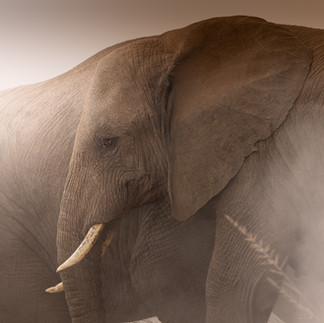
Dust is a defining characteristic of Amboseli, and when used consciously, it becomes a powerful creative tool. Backlit dust produces warm halos around wildlife and softens the transition between foreground and background. Side lighting reveals textures in fur, feathers, and skin. Storm fronts rolling in from Kilimanjaro add dramatic skies and moody light. These atmospheric elements create depth and emotion that elevate wildlife photography from simple documentation to visual storytelling. Amboseli’s conditions teach photographers how to adapt exposure and positioning in ways that make full use of natural elements to create compelling images.
The Role of the Marshes in Amboseli’s Daily Rhythm
The marshes are central to Amboseli’s wildlife behaviour. During the heat of the day, elephants, buffalo, antelope, and birds gather here in large numbers. Photographers can capture multi species interactions, feeding behaviour, and scenes that show the social structures of wildlife. Elephants often wade through the wetlands, lifting mud and water that catch the light beautifully. Hippos offer bursts of motion, while birds dart between animals in search of insects stirred up by movement. This concentration of wildlife creates dense photographic opportunities and supports a flow of activity that continues long after other parks become quiet.
The Seasons and How They Shape Photography
Amboseli offers exceptional photography in both wet and dry seasons. In the dry months, visibility increases, the lakebed becomes accessible, and dust becomes a key artistic element. Wildlife concentrates around wetlands, making sightings predictable and varied. In the wet season, the plains fill with green vegetation, temporary pools form, and migratory birds arrive. Reflections become more common, and thunderstorms build dramatic skies above Kilimanjaro. Elephants and other herbivores spread across the landscape, providing wide angle opportunities that highlight the beauty of seasonal change. Amboseli’s seasonal rhythm ensures that photographers have creative possibilities year round.


Mount Kilimanjaro, East Africa’s Most Iconic Backdrop
Mount Kilimanjaro is a defining feature of Amboseli and one of the most recognisable backdrops in wildlife photography. When the mountain clears in the early hours, it transforms ordinary scenes into iconic compositions. Elephants, giraffes, zebras, buffalo, and even ostriches moving across the plains with Kilimanjaro behind them create images that are instantly associated with East Africa. The mountain adds scale, emotion, and a sense of place that strengthens every frame. Planning, timing, and understanding light patterns are essential to capturing these shots, and it is one of the elements of Amboseli where expert guidance makes a significant difference.
Technical Development and Creative Growth
Amboseli is a gift for photographers who want to grow technically and creatively. The variety of landscapes and wildlife behaviours encourages experimentation with both telephoto and wide angle lenses. The open plains make it easy to work with movement and practice anticipation. The wetlands help photographers improve exposure control in reflective environments. The consistent behaviour of elephants and predators supports learning about timing, eye contact, and behavioural cues. These elements together make Amboseli one of Africa’s most balanced environments for skill development. Guests on Untamed Photo Safaris often leave with expanded portfolios and deeper understanding of how light, composition, and wildlife behaviour shape powerful images.


Clicking through to Mark A Fernley’s website and be inspired by some of his most striking wildlife imagery. His portfolio is filled with powerful moments, thoughtful compositions, and a level of field expertise that brings viewers closer to the natural world. Whether you're a photographer seeking new ideas or simply someone who appreciates wild beauty, the website offers a dose of creativity, inspiration, and authentic storytelling through the lens of a dedicated professional.
Storytelling Through Landscape and Wildlife
Amboseli is an ecosystem where narrative emerges naturally. Elephants walking through dust, lions watching over the marshes, giraffes feeding beneath storm clouds, and birds reflected in still water all carry visual meaning beyond the frame. The contrast between dry plains and green wetlands tells the story of resource dependency. The relationship between wildlife and Kilimanjaro illustrates the scale and uniqueness of the habitat. Photographers who look for environmental context discover that Amboseli is ideal for building series that communicate mood, behaviour, and the natural rhythm of East Africa.
Conservation Significance and Ethical Fieldcraft
Amboseli is not only photogenic but also deeply significant to conservation. The park has been home to long term elephant research that has shaped global understanding of elephant behaviour and family structure. Photography in Amboseli plays an important role in supporting awareness and conservation messaging. Ethical fieldcraft is essential. Respecting distances, avoiding pressure on wildlife, and moving with sensitivity ensures that the calm nature of Amboseli’s animals remains intact. Untamed Photo Safaris follows strict ethical guidelines that protect both wildlife and the long term health of the ecosystem. This approach is central to the experience and philosophy behind every photographic journey.
The Untamed Photo Safaris Experience
Photographing Amboseli with Untamed Photo Safaris gives guests the advantage of expert positioning, knowledge of animal movement, and understanding of seasonal changes. Guides focus on light direction, behaviour prediction, and composition that maximises the beauty of the landscape. Whether guests are developing new skills, building a competitive portfolio, or seeking unforgettable wildlife encounters, Amboseli provides everything required for a transformative photographic experience. The park is predictable enough to offer consistency, yet varied enough to inspire creativity day after day.

A Landscape That Stays With You
Amboseli is a place where photography becomes more than an image. It becomes an experience that lingers long after the journey ends. The interplay of wildlife, light, dust, wetlands, and the towering silhouette of Kilimanjaro creates an emotional and visual connection that photographers carry with them. For Untamed Photo Safaris, Amboseli remains one of the most inspiring places in Africa to guide guests. It is a landscape that fosters growth, encourages artistry, and reminds photographers why East Africa remains one of the greatest wildlife regions on Earth.
Join us in Amboseli National Park on a photographic safari of a lifetime as part of our Ultimate Kenya Photo Safari!
View our private photographic safaris and photograph Amboseli remarkable elephants with one of our photo hosts!


