

The Lumo Conservancy - A Wildlife Photographers Guide
Lumo Conservancy - A Photographers Guide
The Lumo Conservancy is one of Kenya’s most rewarding yet often overlooked destinations for wildlife photographers. Set within the greater Tsavo ecosystem, close to the border of Tsavo West National Park and within reach of Amboseli, Lumo offers a quieter, more intimate safari experience than many of Kenya’s better-known photographic locations. For photographers who value space, light, dramatic landscapes, and the freedom to work carefully with a subject, Lumo can be an exceptional addition to a Kenya wildlife photography itinerary.
Unlike some of the busier safari areas, Lumo has a sense of openness and calm that allows photographers to slow down and work more thoughtfully. Lumo Conservancy - A Photographers Guide is about understanding how to make the most of this varied landscape, with its open plains, acacia-dotted country, rocky ridges, distant hills, and sweeping views that often include the dramatic backdrop of the Taita Hills. This makes it especially appealing for photographers who want to create more than simple wildlife portraits. Lumo is a place where animals can be photographed within their environment, where light and landscape play an important role, and where every drive has the potential to produce images with a strong sense of place.
For Untamed Photo Safaris, Lumo is a valuable part of our Wild Kenya Photo Safari, which links Amboseli, Lumo Conservancy, and the Masai Mara into one diverse photographic journey. Amboseli offers elephants beneath vast skies and, when conditions allow, views of Mount Kilimanjaro. The Masai Mara delivers big cat encounters, classic savannah scenes, and some of the most productive wildlife photography in Africa. Lumo adds something different: quieter wilderness, rich Tsavo character, and the opportunity to work from the excellent Lions Bluff photo hide, including both day and night photography.
Intro to Lumo Conservancy
Lumo Conservancy sits in southern Kenya within the wider Tsavo landscape, an area known for its red earth, volcanic hills, dry-country wildlife, and broad, atmospheric scenery. The conservancy is community-owned, which makes it an important example of wildlife conservation working alongside local communities. For visitors, this means a safari experience that directly supports both conservation and community-based tourism while offering access to a beautiful and less crowded wildlife area.
The conservancy forms part of a broader movement corridor used by wildlife moving between Tsavo West, Tsavo East, and surrounding protected areas. This gives Lumo an exciting sense of unpredictability. Wildlife sightings can vary with season, rainfall, and movement patterns, but that is also part of the appeal. It is not a place that feels overly managed or staged. It feels wild, spacious, and real.
For photographers, this sense of space is important. In many popular safari areas, the biggest challenge is not finding wildlife, but finding the room to photograph it properly. Lumo offers a different rhythm. You may spend time scanning open country, watching the light change across the plains, or waiting for animals to move into stronger photographic positions. This slower pace can be incredibly productive, especially for photographers who understand that great wildlife images are often built through patience, anticipation, and careful positioning.

Lump Conservancy - Photographic Safaris 
Fringe Eared Oryx - Lumo Conservancy 
Lumo Conservancy photo Safaris
What Is Special About Lumo for Photographers?
The greatest strength of Lumo Conservancy is not only the wildlife itself, but the photographic atmosphere of the place. The landscapes are open enough to allow clean compositions, yet varied enough to avoid repetition. You can work with wider scenes, layered backgrounds, low-angle perspectives, dust, backlight, silhouettes, and environmental portraits. For photographers who want their images to feel distinctly East African without always relying on close-up portraits, Lumo has a lot to offer.
One of the biggest advantages of photographing in Lumo is the relative quiet. In heavily visited areas, photographers often have to work around other vehicles, rushed sightings, and limited space. Lumo allows for a more considered approach. When a subject is found, there is often more opportunity to choose your angle, watch the behaviour unfold, and wait for the moment to improve. This is especially important for serious photographers, because the difference between a record shot and a strong image often comes down to background, light, body position, and timing.
Lumo is also excellent for photographers who enjoy combining wildlife with landscape. The conservancy has a rugged beauty that works particularly well with wider lenses. Elephants, giraffes, zebras, antelope, and predators can all be photographed in a broader environmental context. Rather than isolating the animal completely, you can use the surrounding terrain to tell a more complete visual story. This is one of the reasons Lumo pairs so well with destinations like Amboseli and the Masai Mara. It provides a different visual language within the same Kenya itinerary.
The presence of the Lions Bluff photo hide adds another major photographic dimension. Hide photography allows photographers to work at ground level, often with wildlife approaching water or moving through controlled areas of light. This can create a completely different style of image from vehicle-based safari photography. At night, the hide becomes especially interesting, opening up creative opportunities with artificial lighting, side lighting, reflections, and wide-angle compositions that are difficult to achieve on a normal game drive.

Lion portrait, taken in the Lumo Conservancy. 
Marabou Stork - Lumo Conservancy
Getting to Lumo Conservancy
Lumo Conservancy is most commonly accessed as part of a wider southern Kenya safari route. It works particularly well when combined with Amboseli, Tsavo, or the Masai Mara, depending on the overall itinerary. For photographers, the route matters because travel time, light, and fatigue all affect the quality of a safari. A well-planned itinerary should avoid unnecessary rushing and allow enough time in each location to settle into the rhythm of the area.
From Nairobi, Lumo can be reached by road, usually as part of a longer journey through southern Kenya. It can also be incorporated after Amboseli, making it a natural next step for guests who have spent time photographing elephants and big skies before moving into the Tsavo ecosystem. The drive itself can be scenic, and moving between these landscapes helps photographers build a broader understanding of Kenya’s variety.
For more efficient, high-end itineraries, private or scheduled safari flights may also be used depending on the routing, guest requirements, and trip structure. At Untamed Photo Safaris, we design our itineraries around photographic value, not simply distance on a map. That means considering the best order of locations, the amount of time available in the field, vehicle quality, baggage requirements for camera equipment, and the need to arrive with enough energy to make the most of the first game drive.
Lumo is not always the first name photographers think of when planning a Kenya safari, but that is part of its appeal. It fits beautifully into an itinerary for those who want to go beyond the obvious, especially when combined with destinations that offer different photographic strengths.
Lodges to Stay At, in Lumo Conservancy
Accommodation is an important part of any photographic safari, especially in locations where early mornings, late evenings, and long days in the field are part of the experience. In and around Lumo Conservancy, photographers should look for a lodge or camp that offers good access to the conservancy, reliable logistics, comfortable rooms, and an understanding of the needs of safari guests carrying camera equipment.
Cheetah Tented Camp is one of the accommodation options associated with the Lumo area. For photographers, tented camps can offer a wonderful balance between comfort and atmosphere. The best safari camps are not only places to sleep, but places that keep you connected to the landscape. After a morning in the field, returning to a quiet camp with good food, reliable charging, and space to back up images can make a huge difference to the overall experience.

Cheetah Tented Camp 
Cheetah Tented Camp 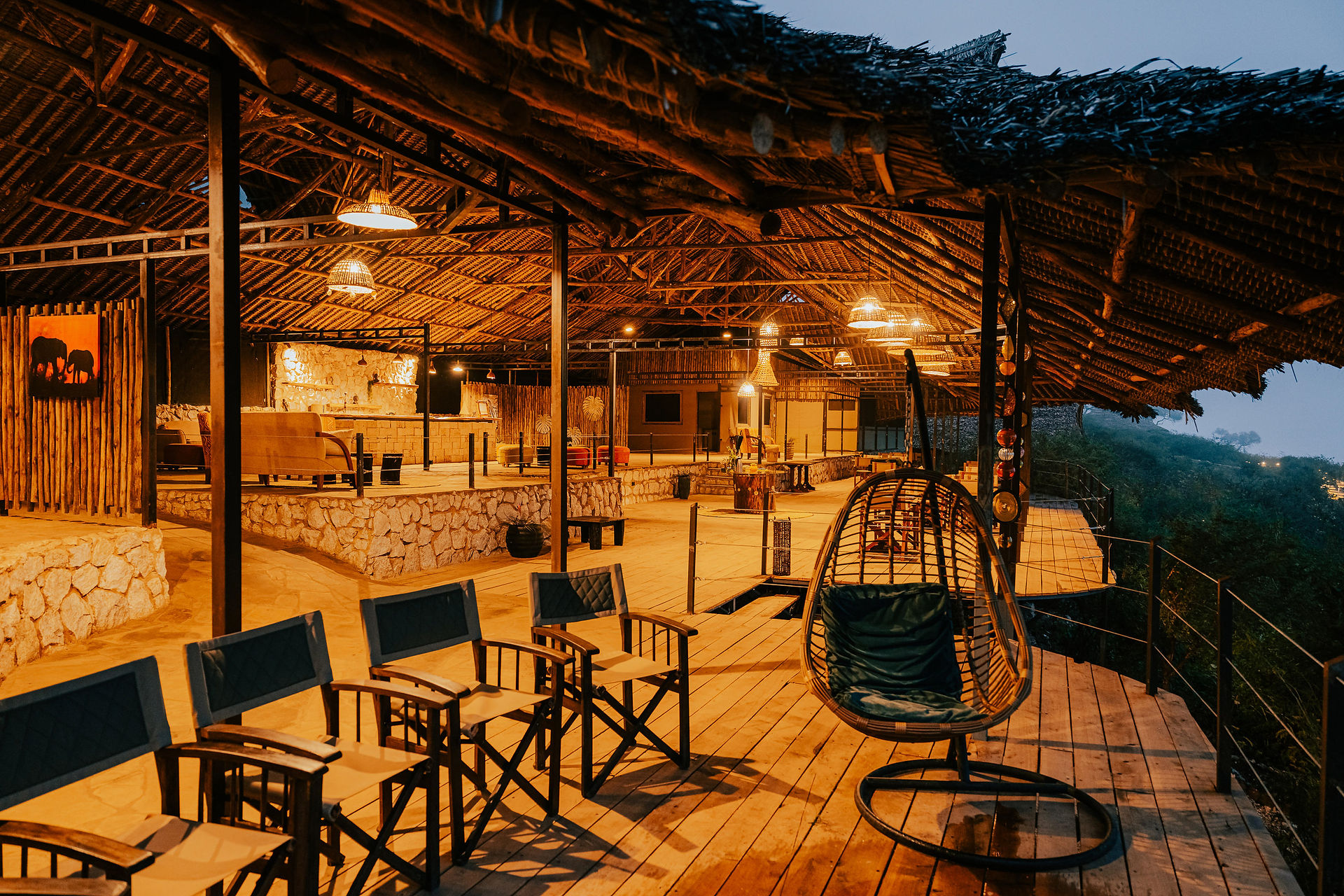
Cheetah Tented Camp
Lions Bluff Lodge is beautifully positioned within the Lumo Conservancy, with elevated views across the surrounding landscape. For photographers, the location is a real advantage, keeping you close to productive wildlife areas while still providing a comfortable place to return to between game drives. After long hours in the field, good food, reliable charging, comfortable accommodation, and space to review and back up images all help make the photographic safari experience feel seamless from start to finish.

Lions Bluff Lodge 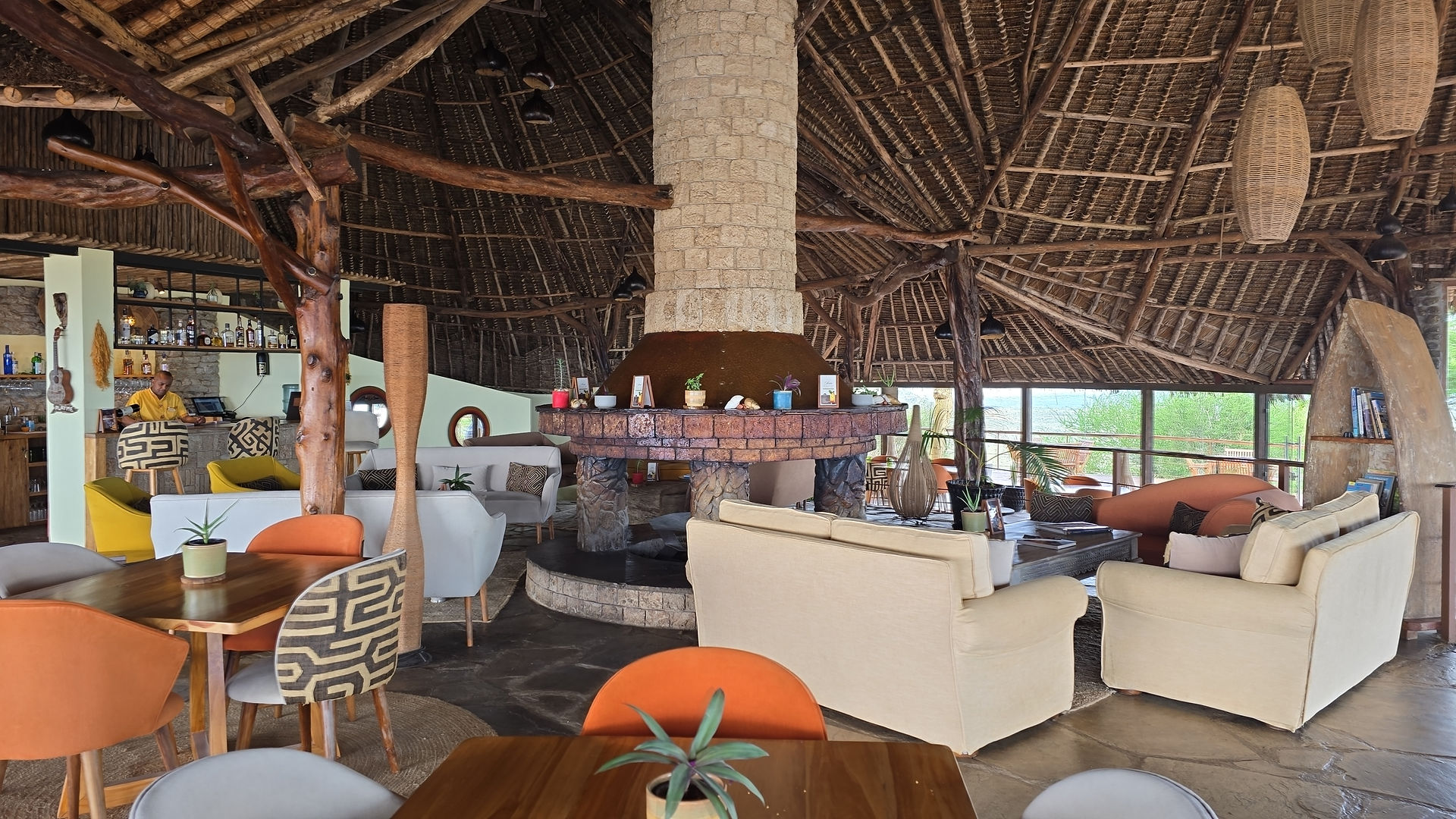
Lions Bluff Lodge 
Lions Bluff Lodge
When choosing where to stay, photographers should think beyond the room itself. Practical details matter. Is there reliable charging for batteries and laptops? Is the location convenient for early starts? Are the guides familiar with the needs of photographers? Can the camp support long days, flexible timings, and guests who may want to spend extended periods in a hide or at a sighting? These details are often what separate an average safari from a truly productive photographic safari.
For Untamed Photo Safaris, accommodation is always chosen with the photographic experience in mind. Comfort matters, but access, guiding quality, vehicle setup, and time in the field matter just as much. In Lumo, the right lodge or camp becomes the base for a safari that combines vehicle-based photography with hide photography, giving guests a broader range of creative opportunities.
Out on a Photo Safari in Lumo
Photographing in Lumo is about reading the land, understanding the light, and being willing to adapt. The conservancy does not always offer instant results in the way some high-density wildlife areas can, but it rewards patience. Some of the strongest images come from working carefully with the conditions, rather than rushing from one sighting to the next.
Morning Light in Lumo
Morning is one of the best times to photograph in Lumo. The cooler temperatures can bring wildlife into more active behaviour, and the low angle of the sun creates soft, directional light. This is the time to look for animals moving across open ground, predators returning from the night, giraffes feeding in clean light, or elephants moving through dusty terrain.
In the early morning, photographers should think carefully about direction. Side light can bring shape and texture to an animal, while backlight can create atmosphere, especially if there is dust in the air. Front light can work beautifully for clean portraits, but the most striking images often come from slightly more creative positioning. In Lumo, where there is space to work, the goal should be to position the vehicle so that light, background, and subject all come together.
This is also a good time to use longer lenses for clean wildlife portraits. A 500mm or 600mm lens can isolate animals against distant backgrounds, while a 100-500mm or 200-600mm lens gives flexibility when subjects are moving. However, photographers should also keep a wider lens ready. Lumo’s landscapes can be beautiful in the morning, and a wider environmental frame can sometimes be stronger than a tight portrait.

Working With Harsh Light
Like most safari destinations, Lumo can become challenging once the sun rises higher. Harsh light creates strong shadows, bright highlights, and flatter colour. Many photographers are tempted to put the camera away during these hours, but with the right approach, midday can still be useful.
In harsh light, the key is to change what you are looking for. Instead of chasing soft portraits, look for graphic shapes, strong contrast, behaviour, dust, and environmental images. Elephants, giraffes, and other larger animals can still work well if the composition is strong. Black and white conversions can also be effective when the light is too hard for softer colour work.
This is also a good time to use the landscape. Harsh light can reveal texture in dry earth, rock, and vegetation. If animals are resting, the image may need to be less about action and more about design. Look for clean lines, repetition, space, and balance within the frame. A lone giraffe against a dry ridge, zebras crossing a pale track, or elephants moving through shimmering heat can all produce compelling images when approached with intention.
Photographers should also be careful with exposure during harsh light. It is easy to lose detail in bright highlights, particularly on pale animals, dry grass, or reflective dust. Checking the histogram and using exposure compensation when needed can help protect important detail. In difficult light, it is better to create a technically strong file that can be shaped later than to overexpose and lose information.
Evening Light in Lumo
Evening can be magical in Lumo. As the temperature drops, wildlife often becomes more active again, and the light begins to soften. The warm tones of the Tsavo ecosystem can become especially beautiful late in the day, with red earth, golden grass, and distant hills creating a rich photographic palette.
This is the time to slow down and work carefully. Instead of trying to cover too much ground, it can be better to stay with a promising subject and wait for the light to improve. A scene that looks ordinary at 4:30pm may become exceptional twenty minutes later. The final hour of light can transform the landscape, especially if dust, movement, or layered backgrounds are involved.
Backlighting is particularly effective in the evening. Dust kicked up by vehicles or animals can catch the light and create atmosphere. Mammals with rim-lit outlines, birds in flight, or elephants moving through glowing dust can all make powerful images. Silhouettes can also work well when the sky is clean and the subject has a recognisable shape. In these situations, photographers should expose carefully for the highlights and avoid trying to recover too much detail in the shadows.
Evening drives in Lumo are also about anticipation. Predators may begin to move, herbivores may gather in open areas, and the landscape itself becomes more dramatic. Having the right lens ready, watching the light, and thinking ahead are essential.
Photographic Equipment for Lumo Conservancy
Lumo is a destination where photographers will benefit from a flexible equipment setup. Because the conservancy offers both vehicle-based wildlife photography and hide photography, it is worth bringing a combination of long lenses, mid-range zooms, and wider lenses.
A long telephoto lens is still the foundation of most safari photography. For serious wildlife photographers, a 500mm or 600mm lens is ideal, especially for birds, distant mammals, and tighter portraits. A zoom such as a 100-500mm, 200-600mm, or similar lens is also extremely useful because it allows quick changes in framing when animals move closer or farther away. Lumo’s open landscapes make this flexibility valuable.
A 70-200mm lens is one of the most useful lenses for Lumo. It is excellent for larger animals, environmental portraits, layered compositions, and hide photography. It gives enough reach for subjects that are relatively close while still allowing photographers to include context. In a place like Lumo, where the landscape matters, this range can be more useful than many people expect.
A 24-105mm lens is also highly valuable, particularly for the Lions Bluff photo hide and for wider environmental images. When elephants or other large animals come close, a wider lens allows photographers to create immersive, intimate images that show the animal within the scene. This focal range is especially helpful at night in the hide, where wide-angle compositions can include reflections, water, stars, or carefully lit surroundings.
For camera bodies, two bodies are highly recommended if possible. Changing lenses in dusty conditions is never ideal, and wildlife encounters can change quickly. One body with a long lens and one body with a mid-range or wide zoom allows photographers to react quickly without missing moments.
Other useful items include plenty of memory cards, spare batteries, a dust blower, lens cloths, a head torch for hide sessions, a beanbag for vehicle work, and external drives for backing up images. For hide photography, a gimbal head can also be extremely helpful, particularly when using heavier lenses or when waiting for long periods with the camera ready.
Lions Bluff Photo Hide
The Lions Bluff photo hide is one of the most exciting photographic features in the Lumo area. A good photo hide gives photographers a completely different perspective from a safari vehicle. Instead of looking down from above, photographers can work at or near eye level, creating images that feel more intimate and immersive.

Hide photography also encourages patience. Rather than driving from subject to subject, you wait for wildlife to come into the area naturally. This changes the entire photographic mindset. You begin to notice small changes in behaviour, shifts in light, reflections on the water, dust in the air, and the way animals approach, drink, listen, and interact.
For many photographers, the Lions Bluff photo hide can be a highlight of time in Lumo. It offers opportunities for both day and night photography, with each bringing a different set of creative possibilities.

Wildlife Photographer and Photo Safari Host Mark Fernley 
Wide angle wildlife photography of zebra a a photographic safari hide in kenya. 
Wildlife Photographer and Photo Safari Host Jaren Fernley
Day Photography in the Hide
During the day, the hide can produce beautifully low-angle images of wildlife coming to drink or passing through the area. The low perspective is one of the biggest advantages. Animals photographed from ground level often appear more powerful, more connected, and more natural than they do from a vehicle.
Daytime hide photography works especially well with mid-range lenses. A 70-200mm lens is extremely useful when animals are close enough for strong portraits but still need some space in the frame. It allows photographers to work with reflections, include legs and body posture, or create layered images when multiple animals are present.
A 24-105mm lens is excellent when larger animals come close. Elephants, giraffes, or groups of animals can quickly become too large for a long lens, and a wider focal length allows photographers to make use of that closeness. This is where hide photography becomes especially exciting. Instead of wishing for more reach, you may find yourself needing to go wider to capture the full scene.
The key during daytime hide sessions is to stay quiet, move slowly, and be ready before the best moment happens. Animals may approach cautiously, and sudden movement can change their behaviour. Photographers should pre-frame where possible, keep gear organised, and avoid unnecessary lens changes or noise.

IAN SELNER: Witnessing lions at a photographic safari hide is something that will stay with me for ever!
Eye level lioness drinking at a photographic safari hide. Lioness comes to visit our photographers at the lions bluff photo hide here in kenya.
Night Photography in the Hide
Night photography from a hide is a completely different experience. The atmosphere changes, the behaviour changes, and the images can feel far more dramatic. Artificial lighting opens up creative possibilities that are rarely available on a normal game drive, especially when working with side lighting, reflections, and controlled exposure.
For night photography at the Lions Bluff photo hide, lenses such as a 24-105mm and 70-200mm are especially useful. The 24-105mm is ideal when larger animals come close or when you want to include more of the scene. The 70-200mm is excellent for tighter portraits, smaller subjects, or isolating animals within the light.
A gimbal head can be very helpful in the hide, particularly when working with heavier lenses or waiting in position for long periods. It allows smooth movement and helps keep the camera stable without constantly supporting the full weight of the setup. This matters at night, when shutter speeds are often lower and stability becomes more important.
Side lighting is one of the most effective ways to create depth and drama in night hide photography. Unlike flat front lighting, side light brings out shape, texture, dust, muscle, and form. It can make an image feel three-dimensional and cinematic. When an animal turns its head into side light, or when dust catches the beam, the result can be far more powerful than a simple flash-lit image.

Suggested Settings for Hide Night Photography
Night hide settings will always depend on the strength of the lights, the subject, the lens, and how much movement there is. However, a good starting point is:
ISO: around 4000 Aperture: f/2.8 or f/4 Shutter speed: minimum 1/120 second for still or slow-moving subjects.
For moving animals, you may need a faster shutter speed. If the subject is walking, turning, drinking, or interacting, 1/120 second may be the lowest safe point, but faster is often better when possible. The challenge is balancing shutter speed with available light and acceptable noise. Modern cameras handle ISO 4000 very well, especially when the image is exposed correctly.
At f/2.8, you gain more light, but depth of field becomes shallower. This can be beautiful for portraits, but it requires accurate focusing. At f/4, you gain slightly more depth of field, which can be helpful for larger animals, groups, or scenes where you want more of the subject sharp. The best choice depends on the image you are trying to create.
Photographers should also watch their highlights carefully. Artificial light can create bright areas on wet skin, eyes, water, or pale surfaces. It is usually better to protect the highlights and lift shadows later than to overexpose the brightest parts of the image. Shooting in RAW is essential for this type of work.
Focus can also be more challenging at night. Use a reliable autofocus mode, place your focus point carefully, and review images regularly to make sure the eyes or key details are sharp. When animals are close, depth of field can be very narrow, even at f/4, so precision matters.
Untamed Photo Safaris and the Wild Kenya Photo Tour
At Untamed Photo Safaris, we include Lumo Conservancy in our Wild Kenya Photo Safari because it brings something distinct and valuable to a wider Kenya photography journey. This itinerary travels from Amboseli to Lumo Conservancy and then on to the Masai Mara, creating a powerful combination of landscapes, wildlife, and photographic opportunities.
Amboseli is one of the best places in Africa for photographing elephants, especially when conditions allow for big skies, open plains, dust, and views of Mount Kilimanjaro. It is a destination that rewards wide compositions, careful use of light, and an understanding of elephant behaviour. From there, Lumo adds a quieter, more rugged Tsavo feel, along with the creative possibilities of the Lions Bluff photo hide. Finally, the Masai Mara brings one of Africa’s most productive wildlife photography environments, with exceptional opportunities for big cats, open savannah scenes, and classic East African wildlife encounters.
The strength of this itinerary is variety. It is not built around repeating the same type of image in three different locations. Each destination offers a different photographic style. Amboseli is about elephants, space, dust, and scale. Lumo is about quieter wilderness, hide photography, low-angle perspectives, and the atmosphere of the Tsavo ecosystem. The Masai Mara is about predator behaviour, golden grasslands, and some of the most iconic wildlife photography opportunities in Africa.
Our approach is designed specifically for photographers. We limit our vehicle numbers to ensure space, comfort, and creative freedom. Our safaris are built around the needs of people carrying serious camera equipment, not casual sightseeing. That means early starts, patient positioning, thoughtful guiding, and enough time with subjects to create meaningful images. We do not rush sightings simply to tick off species. We work the light, read the behaviour, and help guests make stronger photographic decisions in the field.
Lumo Conservancy fits perfectly into that philosophy. It rewards photographers who are willing to observe, wait, and think creatively. It is not simply another stop between Amboseli and the Masai Mara. It is a photographic destination in its own right, and for many guests, the combination of vehicle-based safari and Lions Bluff hide photography becomes one of the most memorable parts of the trip.
For photographers looking for a Kenya safari that goes beyond the obvious, Lumo Conservancy deserves serious consideration. It offers space, atmosphere, photographic variety, and a chance to experience a quieter side of Kenya’s wild landscapes. Combined with Amboseli and the Masai Mara, it helps create a safari that is visually diverse, professionally structured, and deeply rewarding for photographers who want to come home with more than standard safari images.
View our Lumo Photo Safaris


